Imagine searching your name online, and the first thing you see is your mugshot on a site demanding payment for removal. These mugshot websites profit from fear. They publish arrest records and booking photos, then charge hundreds of dollars to remove them. Even if you were never convicted, your image can remain online indefinitely, damaging your chances of securing jobs and housing and maintaining personal relationships.
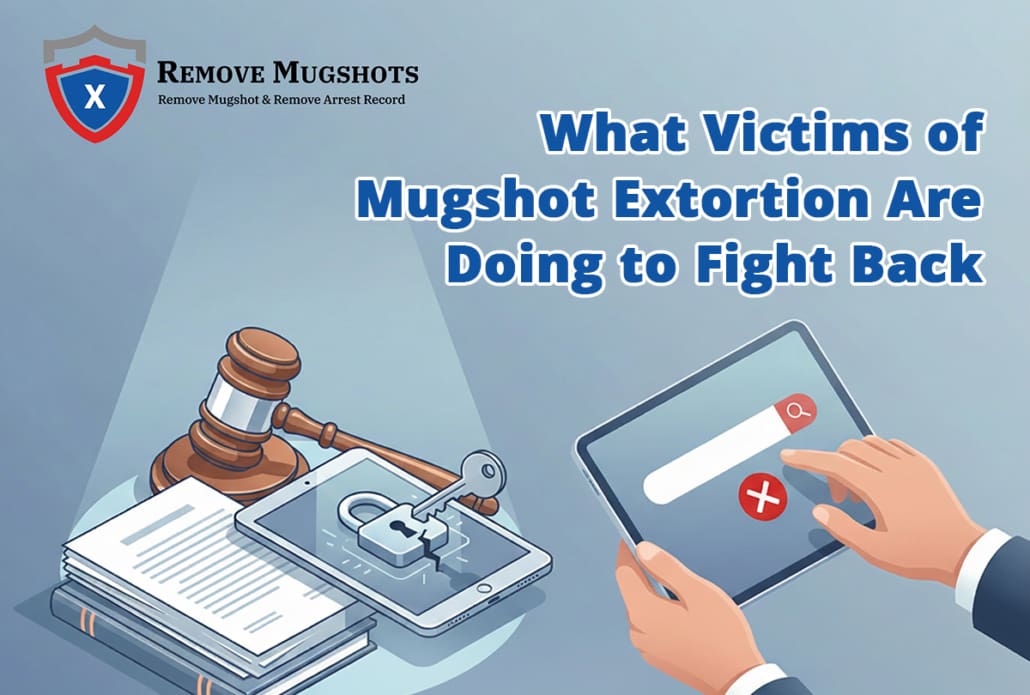
This scheme—known as mugshot extortion—has serious consequences that extend beyond mere embarrassment. Victims often face long-term reputational harm, financial hardship, and emotional distress. The presence of these images on the internet can result in discrimination, social stigma, and even mental health challenges. Recognizing these serious consequences, victims are now pushing back with legal action, advocacy, and strategic removal efforts to reclaim control over their online identities.
Is your mugshot or arrest record still online?
Get a Free Case ReviewHow Mugshot Websites Operate
Most mugshot sites obtain images from public records or scrape jail databases, often without verifying case outcomes such as dismissals or acquittals. They employ aggressive search engine optimization (SEO) techniques so their pages consistently rank at the top of search results. This ensures that when someone looks up your name, the mugshot photograph appears before any other relevant or positive information.
The profit model is straightforward but exploitative:
- Publish booking photos and personal details, sometimes including mailing addresses and other identifying information.
- Accept payment to remove mugshots, often charging hidden or recurring fees that can quickly escalate.
- Exploit search algorithms and internet infrastructure to keep the content visible and difficult to remove until payment is made.
These extortionate practices not only violate privacy but also create additional risks such as identity theft, fraud, and money laundering. Many victims describe this as attempted extortion disguised as a service, where the website operators leverage the fear of reputational damage to extract money.
Who Do Mugshot Sites Target?
Victims of mugshot extortion come from diverse backgrounds but often include:
- People arrested for minor offenses who were never convicted or had charges dropped.
- Individuals on probation or with past charges long since resolved or expunged.
- Professionals applying for jobs where a visible mugshot can cost them career opportunities.
For example, a teacher in Florida had her mugshot appear online years after her charges were expunged. Despite her innocence and legal clearance, employers repeatedly found the image during background checks, severely impacting her livelihood.
How Victims Are Fighting Back
Victims of mugshot extortion are refusing to stay silent. They are employing a variety of effective strategies to combat these predatory websites:
1. Filing Complaints with Authorities
- Police and prosecutors: Victims report extortion under state and federal laws designed to protect consumers from deceptive practices.
- Federal Trade Commission (FTC): Complaints about deceptive removal fees and unfair business practices fall under consumer protection rules enforced by the FTC.
- State Attorneys General: Many states, including Florida, Georgia, and New York, have enacted laws banning pay-for-removal schemes and actively enforce these regulations.
In recent years, state courts have held mugshot website operators accountable for unlawful practices, setting important legal precedents that empower more victims to take action.
2. Pursuing Lawsuits and Class Actions
Victims are collaborating with attorneys to file lawsuits under extortion, consumer protection, and privacy laws. Some class actions have successfully forced mugshot sites to shut down or pay settlements, providing relief to thousands of affected individuals.
A law professor at UC Hastings highlights that these lawsuits have shifted the balance by proving these schemes cause real financial and reputational harm, not just inconvenience.
3. Using Advocacy and Public Pressure
Victims and advocates raise awareness by sharing personal stories with journalists and leveraging social media platforms. Coverage in major outlets like The New York Times and The Guardian has exposed the business models of site owners, making it harder for them to operate anonymously or without scrutiny.
Public campaigns also pressure companies and search engines like Google to lower the visibility of these sites. Google, for instance, has updated its search algorithms in recent years to reduce the prominence of mugshot content in search results, though challenges remain.
4. Partnering with Removal Services
Specialized mugshot removal services assist victims by combining legal requests, DMCA filings, and SEO strategies to reduce mugshot visibility. Many of these services offer free consultations and represent victims in negotiating with site operators or implementing technical solutions.
While results vary by site and jurisdiction, victims regain some control over their reputations by working with experts rather than paying the extortionate fees demanded by mugshot sites.
What Laws Protect Victims?
Several states have enacted laws specifically aimed at regulating or banning mugshot extortion:
- Florida: Operators cannot accept payment for mugshot removal (Fla. Stat. § 943.0585).
- Georgia: Makes it illegal to profit from the display of mugshots online.
- New York: Civil Rights Law § 52-b prohibits the commercialization of mugshots.
- Maryland and Alabama: Both passed laws restricting extortionate practices tied to mugshots.
Violating these laws can result in significant fines, civil damages, or even criminal charges, including attempted extortion and identity theft. These legal protections provide victims with avenues to hold operators accountable and seek compensation.
Challenges That Remain
Despite progress, several challenges persist:
- New mugshot sites frequently appear under different names or domains, perpetuating the problem.
- Images already copied online can spread indefinitely through archives and third-party sites.
- Paying one site does not guarantee your mugshot won’t resurface elsewhere, creating a frustrating “whack-a-mole” effect.
- Some operators engage in money laundering and other illicit activities to obscure their identities and profits.
These issues highlight the need for continued legal reforms, technological solutions, and public awareness campaigns to effectively combat mugshot extortion.
Final Thoughts
Mugshot extortion thrives on fear and profit at the expense of innocent people’s dignity and privacy. Victims once felt powerless but are increasingly fighting back through legal action, advocacy, and technology.
From filing complaints and suing operators to using mugshot removal services and pressuring search engines, individuals are reclaiming control over their reputations. While progress is gradual, each lawsuit, new law, and public campaign makes it harder for mugshot websites to exploit vulnerable people.
No one should have to pay to protect their dignity from public display online. As victims continue to push back, the mugshot extortion industry may finally face its own day in court, curbing the exploitation and abuse that has persisted for too long.