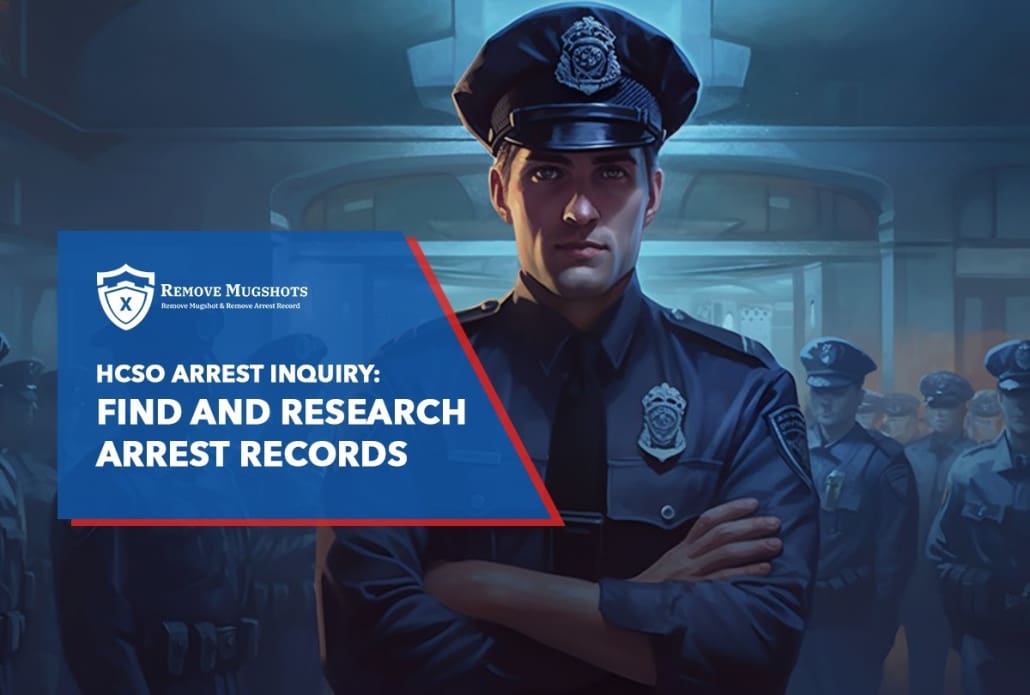
Learn what types of information people can find when they submit an HCSO arrest inquiry in Florida.
Hillsborough County in Florida is in the west-central part of the state, and it includes Tampa along with a handful of other cities. The Hillsborough County Sheriff’s Office (HCSO) has a system that allows individuals to find and research arrest records via a user-friendly interface.
Is your mugshot or arrest record still online?
Get a Free Case ReviewIn this article, we’ll discuss the information that’s available in Hillsborough County arrest records, including booking details, arresting agency information, charges and offenses, court dates, case status, and bond information. We’ll also address whether Hillsborough County Sheriff’s Office arrest records are considered public information, and we’ll offer guidance on protecting one’s privacy regarding these types of public records.
Are you wondering about the process of making an inquiry with the sheriff’s office? We also have an article that covers the step-by-step process of making a Hillsborough County Sheriff’s Office arrest inquiry.
At RemoveMugshots.com, our removal services will erase your online arrest records and mugshot images from the internet fast. Contact us today at [phone] to learn more.
Hillsborough County Sheriff’s Office Arrest Inquiry

The Hillsborough County Sheriff’s Office inquiry system allows individuals to find and research arrest records through an online platform. Users can access information about arrests made within the county, including the date of the arrest, charges filed, and booking information. This service aims to promote transparency and public access to arrest records in Hillsborough County.
By utilizing the system, individuals can stay informed about the arrest records of individuals within the county and make more informed decisions. The database provides a convenient and efficient way to access this information, saving time and effort compared to traditional methods.
Booking Details
Booking details are an essential component of the arrest process and provide crucial information about the arrested individual. These details include the date and time of the arrest, the location where it occurred, and the specific charges that have been filed against the person. Additionally, booking details may also include information about bail or bond, the arresting officer, and any distinctive characteristics of the arrested individual.
Maintaining accurate booking details is paramount, as they play a significant role in the legal process. These details are indispensable for law enforcement agencies, the court system, and all other parties involved to ensure a fair and just process. By properly documenting and maintaining accurate booking details, law enforcement agencies can promote transparency and accountability.
Now, let’s discuss some of these booking details in more depth.
Arresting Agency
When researching arrest records, it is essential to understand the role of the arresting agency. The arresting agency is the law enforcement organization responsible for apprehending and detaining individuals accused of a crime.
Identifying the arresting agency provides insight into the jurisdiction and law enforcement department involved in the arrest. The arresting agency may be a local police department, county sheriff’s office, state police agency, or federal law enforcement agency like the FBI. Knowing the arresting agency helps determine its level of authority and possible resources involved in the arrest, which is crucial in understanding the gravity of the charges.
To ensure accurate and reliable search results, it is important to note the arresting agency’s name when searching for arrest records. By understanding the role of the arresting agency and verifying its credibility, individuals can obtain accurate and comprehensive information when researching arrest records.
Charges and Offenses
When conducting a Hillsborough County Sheriff’s Office arrest search, you’ll be able to locate a variety of charges and offenses associated with an individual’s arrest. Here are some important points to keep in mind:
- Types of Charges: The arrest records may have specific information regarding the charges brought against the individual, such as assault, theft, drug possession, or DUI.
- Misdemeanors and Felonies: The arrest records may indicate whether the charges are categorized as misdemeanors or felonies. Misdemeanors are typically less severe offenses, while felonies are more significant.
- Details of the Charges: The records will provide additional information about each charge, such as the date of the offense, the location, and a description of the alleged crime.
Understanding a person’s charges and offenses can prepare you for the possible legal consequences they may face, such as fines, probation, or imprisonment. By thoroughly reviewing the charges and offenses section of arrest records, you can gain valuable insights into an individual’s criminal activities and what they may have to deal with next.
Court Dates and Case Status

When researching arrest records with the Hillsborough County Sheriff’s Office, you can find important information about court dates and case status. This will help you determine whether an individual has upcoming hearings or if their case has already been resolved. Information provided may include arraignment dates, bond information, and the specific court handling the matter.
If you’re able to access court records, they may also show whether charges were dismissed, reduced, or are still pending, as well as any scheduled trial dates. Checking both sheriff and court databases ensures you have a clearer picture of how a case is progressing through the legal system and whether additional action or monitoring is necessary.
Bond Information
Bond information explains the amount of money — or other requirements — set by the court to allow a person’s release from custody before trial. In arrest records, information you can find typically includes the exact bail amount required for release. The amount is determined by several factors, such as the seriousness of the charges, prior criminal history, and whether the court considers the defendant a flight risk.
In addition to the dollar amount, bond details may list specific court-ordered conditions. These can include surrendering a passport, avoiding contact with certain individuals, complying with travel restrictions, or checking in regularly with law enforcement.
Understanding bond information is important for defendants and their families. It helps them determine what steps must be taken — financially and legally — to secure release. Consulting a qualified attorney is often advisable. A legal professional can review the bond terms, verify their accuracy, and provide guidance on the best course of action moving forward.
Best Practices

Accessing arrest records is crucial when researching someone’s criminal history. These records provide valuable information about an individual’s interactions with law enforcement agencies, including the circumstances of the arrest, charges filed against the person, court dates, case status, and bond information. Arrest records offer insight into an individual’s legal encounters and their potential risk level.
However, it’s crucial that you check the accuracy of arrest records to ensure the information is valid and up-to-date. Verifying the source of the arrest records is vital to ensure their reliability and authenticity. Furthermore, consulting legal professionals can assist in correctly interpreting the information obtained from arrest records and explain its implications.
Here are best practices to follow when searching for arrest information:
- Verify the Source: Ensure that the website or platform you use for accessing arrest records is reputable and trustworthy. It’s best to use official government websites or reliable public record databases.
- Compare Multiple Sources: To confirm the accuracy of the information, cross-reference the data with other sources. Different sources may provide additional details or highlight discrepancies that need attention.
- Double-Check Names and Details: Pay close attention to names, dates of birth, and other personal information. You don’t want to assume you found someone’s arrest information when you’ve actually come across data for a person with a similar name.
- Consult Legal Professionals: If you have any doubts or concerns regarding the accuracy of the arrest records, seek guidance from legal professionals who specialize in criminal law. They can provide valuable advice and assist you in navigating through the information.
By following these steps, you can verify the accuracy of the arrest records you encounter, ensuring you have reliable information for your research or other purposes.
Are Hillsborough County Sheriff’s Office Arrest Records Public?

Hillsborough County Sheriff’s Office arrest records are considered public information. That means they’re accessible to anyone who wishes to review them. This includes employers, landlords, and members of the general public. Because these records can be used to evaluate an individual’s criminal history and assess potential risks in various situations, it is important to be aware of what information they contain. Staying informed allows individuals to take appropriate steps to protect their privacy and reputation.
If you have arrest records that can be accessed publicly, protecting your privacy is important. Here are some steps you can take to safeguard your personal information:
1. Contact the relevant authorities. Get in touch with the agency responsible for maintaining your arrest records and inquire about their privacy policies. It is essential to understand how they handle and protect your information.
2. Submit a request for record removal. If you have been wrongly arrested or the charges have been dropped, you may be able to request the removal of your arrest record from public databases. Alternatively, follow the necessary steps to have your record expunged or sealed.
3. Monitor your online presence. To protect your privacy, regularly search for your name online to see if any arrest record information appears. Setting up alerts or notifications that notify you when your name is mentioned in public databases can be beneficial.
4. Be cautious with your personal information. To minimize the risk of identity theft or the misuse of your information, avoid sharing sensitive personal details online.
5. Consider getting professional assistance. If you encounter difficulties protecting your privacy online, seek help from legal or reputation management professionals specializing in privacy and data protection.
Our removal experts analyze search engine results to find and remove your personal information online. Call us at [phone] for more information.
Next Steps

At RemoveMugshots.com, we offer removal services to get rid of damaging information online. From there, we can help you rebuild your personal or professional reputation. Whether you have arrest records, mugshots or police reports that are causing harm, we’ll work on your behalf to remove them from search results.
It doesn’t matter if you were found guilty or if your charges were expunged, dismissed or dropped, either. Our removal strategies will erase or suppress negative content from showing up in search engine results.
Do you need help removing your arrest records, mugshots or police records from search results? Get a free mugshot removal analysis today and sign up for a consultation with an expert. Give us a call at [phone] to get started.