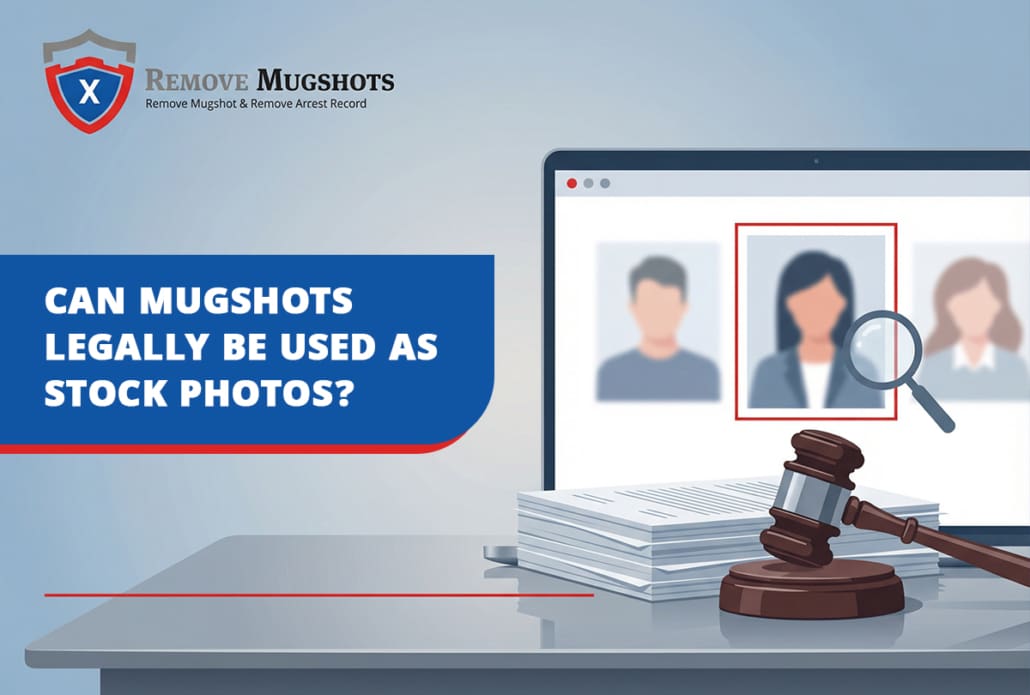
Mugshots are more than simple photos. They capture a man at a moment of crisis and often become part of public records. However, as stock image libraries expand, a troubling question arises: Can mugshots be legally used as stock photos?
What Is a Mugshot?
A mugshot is a booking photo taken when someone is arrested. It’s meant to document the arrest and assist law enforcement with identification. These photos are stored in police databases and often become part of the public record.
Is your mugshot or arrest record still online?
Get a Free Case ReviewIn many states, mugshots are released online, posted on news sites, and indexed by search engines. As a result, a single arrest photo can follow someone for years—even if charges are dropped.
Are Mugshots Public Record?
In most U.S. states, mugshots are considered public record. This means anyone can request access through open records laws. However, the rules vary by state.
For example:
- California limits the publication of mugshots for commercial gain.
- Texas and Florida make most booking photos publicly available.
- New York and Illinois have proposed laws to restrict the distribution of mugshots.
Some websites exploit this by posting arrest photos and charging individuals to have them removed. This practice has led to lawsuits and the introduction of new legislation targeting mugshot websites.
Can Mugshots Be Used as Stock Photos?
Using mugshots as stock photos creates serious legal and ethical risks. Even if the image is public record, that doesn’t mean it’s free to use for any purpose—especially in commercial or editorial content.
Here’s why:
- Right of Publicity: Individuals have a legal right to control the use of their image for commercial purposes.
- Copyright: Police departments own the original image, and you can’t sell or reuse it without permission.
- Defamation and Misuse: Using a mugshot to represent unrelated crimes or topics can be misleading and legally risky.
Even if you find a mugshot online, using it in ads, social media, or commercial websites without consent could lead to legal action.
What Are the Ethical Concerns?
Mugshots reveal real people at their lowest moments. Using them out of context—mainly to sell something—raises serious ethical concerns:
- It can humiliate the person shown.
- It may suggest guilt, even if charges were dropped.
- It reinforces stigma and discrimination, especially against marginalized communities.
There’s also the issue of consent. Most people never agree to have their mugshot used as a stock photo. Without permission, it becomes exploitation.
Legal Risks of Using Mugshots in Commercial Content
Using mugshots as stock photos without permission can result in:
- Lawsuits under right of publicity laws
- DMCA takedown requests for copyright violations
- Fines or settlements for misrepresentation
Cases like Gordon v. Nextdoor demonstrate that unauthorized photo use can result in substantial financial penalties. Many media outlets now avoid using mugshots unless they serve a clear public interest.
Better Alternatives to Using Mugshots
There are safer, more ethical ways to create visuals for crime-related or justice content:
1. Hire Models
Create custom photos featuring actors who have signed release forms. This gives you full control and consent.
2. Use Generic or Blurred Images
Visuals that hint at the concept—like a blurred jail door or courtroom—can work without using a person’s face.
3. Use Creative Commons or Licensed Photos
Platforms like Unsplash or Pexels offer free images with clear usage rights. Make sure the license fits your project.
These options keep your content safe and respectful while avoiding legal trouble.
Do Mugshots Offer Any Benefit in Stock Libraries?
Some argue that mugshots, used as stock photos, add realism and drama to stories. But the risks outweigh the benefits.
Yes, they’re:
- Free (in some cases)
- Authentic-looking
- Easy to find
But they’re also:
- Legally risky
- Ethically questionable
- Harmful to the people depicted
If you’re creating content about crime, justice, or law enforcement, there are better ways to represent these themes without exploiting someone else’s trauma.
Final Takeaway
Using mugshots as stock photos is a risky practice, both legally and ethically. Even if the image is public record, you could face serious consequences if you reuse it without permission. Choose safer alternatives that respect privacy and protect your content.
Ultimately, a single photo can cause lasting harm. And no photo—no matter how “real”—is worth that.