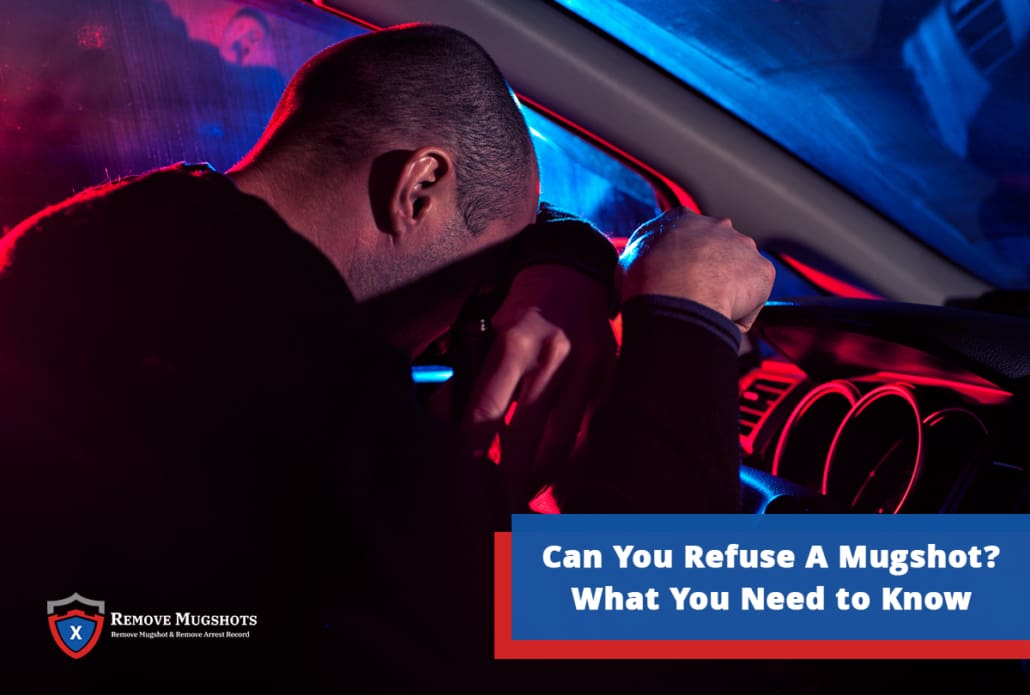
Can you refuse a mugshot? Yes—you can refuse to have your mugshot taken, but that choice may lead to consequences such as extra charges or a longer booking process.
If police arrested you, worry about your rights during booking, or want to know whether you can remove a mugshot from public records, this guide covers it all. You’ll learn what a mugshot is, why police take one, and the privacy and due process issues involved. We also cover what happens if you refuse, how mugshot removal requests work, and what alternatives law enforcement may use, such as booking photos and fingerprints. A mugshot can affect criminal identification, public-record exposure, and your reputation, so knowing your rights and options matters.
Is your mugshot or arrest record still online?
Get a Free Case ReviewIs your mugshot or arrest record still online?
Key Takeaways:
- You have the right to refuse a mugshot, but doing so may result in additional charges or a longer booking process.
- Your rights regarding mugshots include the right to privacy, protection from unreasonable searches and seizures, and the right to due process.
- You may be able to request mugshot removal, but the process and requirements vary by state, and outcomes aren’t guaranteed. Booking photos, fingerprints, and personal information serve as alternatives to mugshots.
What Is a Mugshot and Its Role in Public Safety?
A mugshot is a photograph law enforcement agencies take of individuals after an arrest.
These images document a person’s physical appearance at the time of arrest, and officers use the images for identification rather than as proof of guilt. Mugshots typically capture a front-facing and side-profile view, showcasing tattoos, scars, and other identifying marks.
Capturing mugshots follows a standard protocol. Officers position the arrested individual against a height chart background and direct them to pose, ensuring clarity and consistency across all images.
Mugshots play a crucial role in the criminal justice system by aiding identification, investigation, and prosecution. Law enforcement agencies use them to build a database of arrested individuals, helping track criminal activity, repeat offenders, and behavior patterns.
These photographs document an arrest, but a mugshot doesn’t mean a person was convicted or found guilty.
Why Are Mugshots Taken by the Police Department?
Police take mugshots, sometimes just a single mugshot, to record visual identification at the time of arrest and booking.
These images help establish a person’s identity in custody, so law enforcement can confirm they have the right individual.
Beyond identification, mugshots serve the legal process. Courts use them as tools during proceedings that help determine guilt or innocence.
Once posted online, mugshots may remain publicly accessible and surface during background checks, affecting job opportunities.
Mugshots also support record-keeping across law enforcement agencies, helping track individuals through the criminal justice system and support public safety goals.
Can You Refuse to Have Your Mugshot Taken?
Many people wonder whether they can refuse to provide a mugshot when law enforcement requests one.
In the United States, the legal landscape around mugshots gets complicated. No universal right to refuse a mugshot exists, but individuals do have certain legal protections. The Fourth Amendment protects against unreasonable searches and seizures, including the taking of mugshots without probable cause or a warrant. State laws and regulations also govern how agencies collect and use mugshots. Texas law, for example, generally prohibits the publication of mugshots unless certain criteria are met.
What Are the Consequences of Refusing a Mugshot?
Refusing to provide a mugshot after an arrest can lead to additional legal consequences.
When someone refuses to comply with law enforcement procedures, it can lead to negative repercussions. In some situations, officers may treat the refusal itself as an offense, even if the person disputes the arrest. Legal penalties may follow, since defying standard mugshot protocol can count as obstruction of justice or non-cooperation with authorities.
Failing to submit to a mugshot can prolong detention and delay the resolution of a legal case. Courts should resolve disputes before a judge rather than during booking, and correctional staff may use reasonable physical force to obtain the mugshot if necessary. This can extend detention periods and further complicate legal proceedings.
Cooperating with law enforcement, including allowing a mugshot to be taken, helps keep the arrest process smooth and efficient. Following established procedures helps individuals avoid unnecessary complications and speeds up the legal process.
What Are Your Rights Regarding Mugshots?
Individuals have specific rights regarding the use and distribution of their mugshots, encompassing both privacy and legal protections.
Certain legal safeguards apply once law enforcement takes a mugshot. Privacy rights limit disclosure of personal information connected to the arrest, such as addresses and other identifying details, except in specific circumstances. Some commercial websites and media outlets treat mugshot posting as a business. Certain sites profit by posting images and then charging for removal, creating extra hassle for the people affected.
Media outlets and websites face limits on publishing mugshots, intended to prevent harm or discrimination stemming from past legal interactions. Understanding these rights and asserting them when necessary helps protect personal information from misuse.
Right to Privacy
The right to privacy around mugshots covers safeguarding personal information and limiting how far arrest-related images spread.
Legal protections keep people from facing unfair penalties for past arrests that were expunged or didn’t result in conviction. These protections matter most when charges are dismissed, or the person is acquitted, balancing the public’s interest in information against an individual’s right to privacy.
Some jurisdictions restrict public access to mugshots, especially when the arrest didn’t lead to a conviction. These restrictions protect people from long-term stigma and reputational harm tied to an arrest that never resulted in guilt.
Right to Refuse Unreasonable Searches and Seizures
Individuals can refuse to submit to unreasonable searches and seizures, which may extend to mugshots under certain circumstances.
Legal protections against unreasonable searches and seizures uphold civil liberties and privacy rights. The Fourth Amendment safeguards individuals from arbitrary government intrusions, requiring authorities to obtain a warrant backed by probable cause before conducting searches or seizures.
Law enforcement agencies must respect these constitutional boundaries when taking mugshots and ensure that their actions are supported by valid legal justification. Individuals can also challenge the legality of a mugshot procedure if they believe it violates their rights.
Right to Due Process
The right to due process ensures fair treatment under the law, including how courts handle mugshots in legal proceedings.
Due process protections apply throughout the legal process whenever mugshots serve as evidence in criminal cases. These safeguards guarantee a fair trial, access to relevant information, and protection against arbitrary government actions. First Amendment issues can also surface when states try to block the dissemination of booking photos, creating tension between fairness concerns and public access interests.
Courts must present mugshots in accordance with legal standards to prevent bias or misinterpretation. Establishing the authenticity and relevance of mugshots as evidence protects the integrity of the trial.
Can You Request That Your Mugshot Be Removed?
Individuals can often request removal of their mugshot from public records through legal consultation. Some mugshot websites profit from posting these images and charge removal fees, often between $100 and $400. Some states prohibit those fees after exoneration, and Georgia law requires removal within 30 days under specific conditions. Several operators have also faced legal action over alleged extortion practices.
This process typically requires understanding state laws on mugshot removal and gathering relevant documentation, such as a formal request letter citing the legal basis for removal. In some cases, individuals may need an attorney’s help navigating the complex legal procedures involved in expunging or removing mugshots.
Legal counsel can guide the right steps, ensure compliance with requirements, and represent an individual’s interests throughout the process. Attorneys can also advocate for a client’s right to privacy and help enforce court orders requiring the removal of mugshots from public access.
What Is the Process for Requesting a Mugshot or Arrest Records Removal?
Requesting a mugshot removal typically involves submitting a formal request to the appropriate authorities, such as the city court or a law enforcement agency. Depending on the jurisdiction, you may need to file the request with the court, police department, or another records custodian.
Once you initiate the formal request, you’ll need to provide the necessary documents and paperwork to support the claim. This may include identification, case details, and other relevant legal documentation to strengthen the case. Following all legal considerations during this process ensures compliance with applicable laws and regulations.
What Are the Requirements for Having a Mugshot Removed?
Requirements for mugshot removal may include demonstrating eligibility, such as having no criminal record, charges that were never filed, or charges that didn’t result in a conviction.
Individuals seeking removal should confirm they have no pending criminal cases or outstanding warrants, since these can hinder the process. Some records may still reflect a charge like marijuana possession even after someone begins the removal process. Applicants may need documentation proving their innocence or evidence of having completed required legal proceedings. Compliance with removal regulations matters, including following correct procedures and submitting paperwork promptly. Staying informed about jurisdiction-specific requirements helps applicants avoid roadblocks.
What Are the Possible Outcomes of a Mugshot Removal Request?
Outcomes of a mugshot removal request vary depending on legal considerations, the effectiveness of legal counsel, and compliance with removal guidelines. Some people struggle to get a website to remove a mugshot or booking image without legal pressure.
Successful removal requests can eliminate a mugshot’s visibility online. Legal challenges can arise if the arrest is part of the public record or if certain jurisdictions restrict removal.
Consulting a knowledgeable attorney can strongly influence the success of a removal request. Attorneys can navigate legal complexities and appeal denials when needed. Existing records laws may limit how far mugshots can be removed, and outcomes often improve when a lawyer contacts the website directly and pushes for compliance.
What Are the Alternatives to Mugshots?
Alternatives to mugshots include booking photos, which serve as visual records of individuals at the time of arrest.
Booking photos capture a person’s appearance and demeanor at the time of arrest. Fingerprints add a unique identifier crucial for establishing identity and criminal history. Beyond visual records, personal information such as name, address, and date of birth helps create a comprehensive profile for law enforcement databases.
These methods aid identification and play a role in legal proceedings, helping validate arrests and support investigations.
Booking Photos
Booking photos are visual records taken during the arrest process, providing identification details and visual references for law enforcement.
These photos help authorities correctly identify individuals in custody and maintain accurate records. Unlike standard mugshots, which are often used for public release and media, booking photos serve primarily internal law enforcement purposes. They capture key features like facial structure, tattoos, and other notable characteristics that aid identification.
Fingerprints
Fingerprints work alongside mugshots to establish identity in criminal cases.
Like mugshots, fingerprinting during booking generally can’t be refused.
Fingerprints play a crucial role in identification because of their unique, distinct patterns. Forensic experts rely on fingerprints as a reliable method for linking suspects to crime scenes. Analyzing fingerprint details lets investigators confirm a specific individual’s presence at a location and uncover crucial information about a crime.
Combining fingerprint analysis with mugshots improves identification accuracy. Mugshots visually confirm appearance, while fingerprints definitively tie individuals to specific incidents. Together, these methods provide law enforcement with a more robust system for verifying the identities of suspects and criminals.
Personal Information
Personal information—identification details, demographic data, and physical characteristics like an arm marking—can also serve as an alternative to mugshots.
Authorities can rely on biographical information, unique identifiers, and physical characteristics to verify identity without a photo.
This shift toward personal data raises important questions about accuracy, privacy safeguards, and legal compliance. Accurate data helps avoid misidentification, while strong privacy protections safeguard sensitive information. Legal compliance mechanisms ensure the use of personal details for identification stays within legal boundaries.
Can You Legally Refuse a Mugshot?
Short answer: yes, you have the right to refuse a mugshot. Once police begin standard booking procedures, though, you usually can’t refuse. This refusal may bring consequences, such as longer custody or additional charges. Consult a lawyer before refusing a mugshot.
What Are the Reasons for Refusing a Mugshot?
People refuse mugshots for various reasons: not wanting to be associated with a crime, wanting to protect their identity, or worrying the mugshot will harm their reputation. Weighing the potential consequences matters before making that decision.
Can I Refuse a Mugshot If I Am Innocent?
Yes, innocent individuals can choose to refuse a mugshot. Communicating with law enforcement and your lawyer helps protect your rights and avoid negative consequences from the refusal.
What Information Is Included in a Mugshot?
A mugshot typically includes a front-facing profile photo along with identifying information such as name, age, height, and weight. It may also include arrest details, such as the date and charges.
Can I Request That My Mugshot Be Removed From the Public Record?
In some cases, you can request mugshot removal from the public record. This process varies depending on jurisdiction and the specifics of your case. Consult a lawyer for guidance on how to proceed.
What Should I Do If I Am Asked to Take a Mugshot?
If officers ask you to take a mugshot, stay calm and communicate with law enforcement or your lawyer. They can explain the consequences of refusing and advise on the best course of action for your situation. Asserting your rights and avoiding questions without a lawyer present also protects you.